A car with a flat tire on a level parking lot usually needs straightforward roadside towing. A vehicle stuck in soft sand, hanging over a ditch, or damaged after a serious collision presents a different challenge.
Moving it safely sometimes requires winching, specialized recovery equipment, and a planned route out of the hazard. Understanding the difference between towing and recovery helps you describe the situation to the dispatcher and prevents the wrong truck from arriving first.
Regular Towing Assumes the Vehicle Can Be Accessed Safely
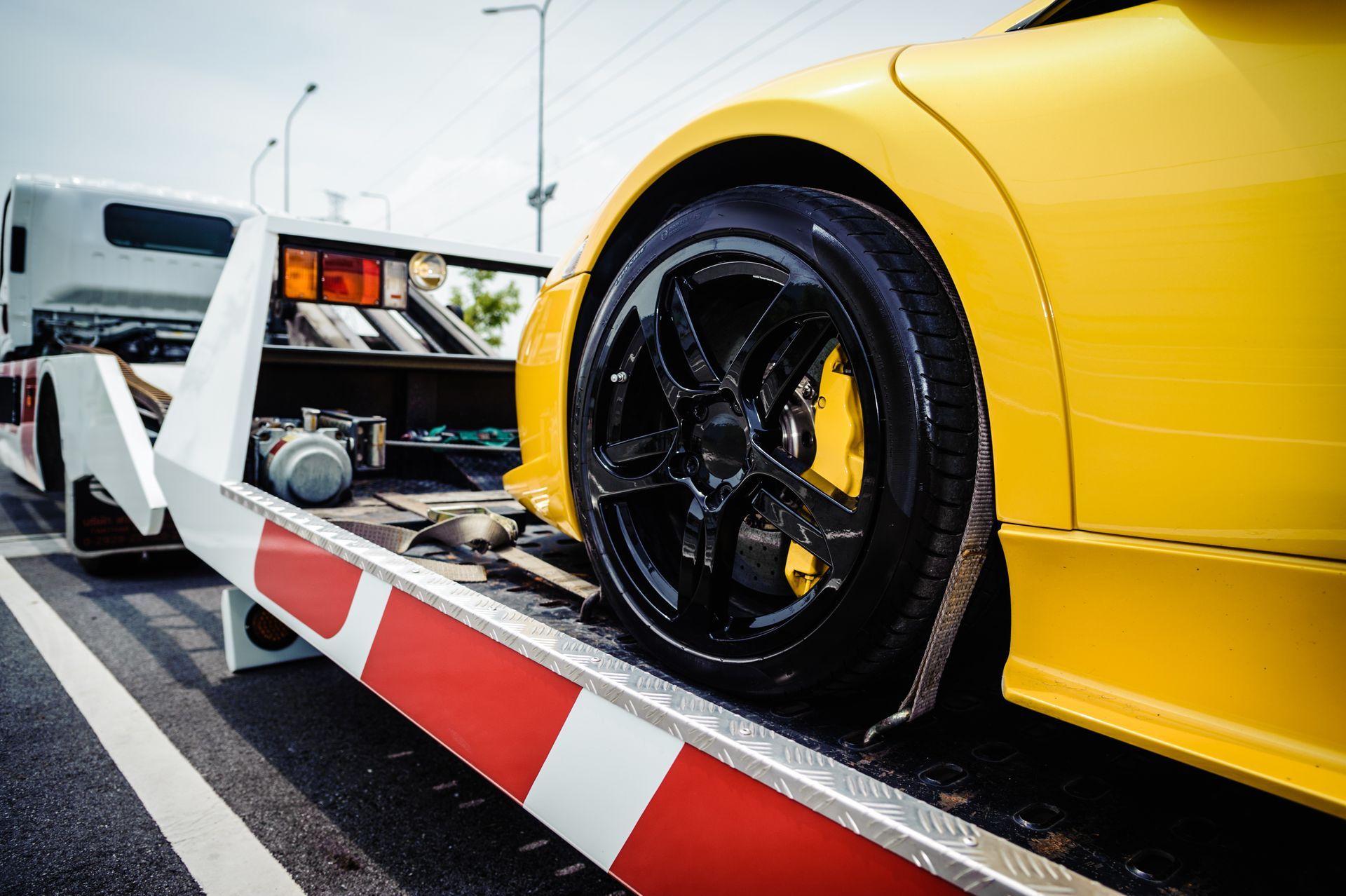
A standard tow usually involves a vehicle that's accessible from a reasonably stable surface. Depending on the damage and drivetrain, a flatbed or wheel-lift truck then transports the vehicle to your chosen destination. Correct attachment points, transport height, and procedures for the particular vehicle are essential for preventing avoidable damage during loading.
A stalled car beside a normal road is very different from one surrounded by deep sand or sitting at an unsafe angle. We ask about the location, vehicle size, damage, and available access before selecting equipment. When the vehicle isn't positioned for safe loading, recovery work comes before the tow. Your first priority is staying clear of traffic and other hazards.
Winching and Recovery Are Used When the Car Is Stuck
Recovery involves moving a vehicle from a difficult or unsafe position to a place where it can be loaded or driven away. A truck buried in sand or a vehicle pinned after a collision often requires a winch and controlled pulling points. The technique depends on vehicle weight, ground conditions, available attachment points, and nearby obstacles.
Winching isn't the same as attaching a rope to a convenient bumper. Using an unapproved recovery point can tear or bend structural components. Recovery equipment has to match the load path, terrain, and condition of your vehicle. Pulling from the wrong point risks additional damage. People must remain outside the recovery danger zone because loaded cables and rigging create serious hazards if something fails.
When a Heavy-Duty Wrecker May Be Required
Larger trucks, motor homes, and other heavy vehicles create recovery demands far beyond an ordinary passenger-car tow. Their weight, height, drivetrain configuration, and center of gravity influence how they should be lifted or transported. Heavy-duty wreckers are sometimes needed to stabilize or reposition a large vehicle before transport. No single truck handles every heavy recovery situation in the same way.
Our fleet includes flatbeds, wheel lifts, service trucks, and heavy-duty wreckers. Choosing among those options begins with accurate information about the stranded vehicle. Is the motor home leaning, blocking traffic, or resting on unstable ground? A dispatcher needs those details to plan safe access, possible traffic control, and the equipment required.
Collision Damage Makes Loading More Complicated
After a collision, damaged steering, suspension, tires, or wheels often prevent a vehicle from rolling normally. A damaged wheel can prevent a vehicle from being pulled onto a flatbed in the ordinary way. Leaking fluids, loose body panels, broken glass, and undeployed safety equipment create additional risks. The recovery process must avoid making the damage worse while protecting people around the scene.
We assess the visible condition and take care with the vehicle's structure and attachment points. Modern cars often have specific towing instructions for their drivetrains and electric parking brakes. Incorrect wheel-lift transport risks drivetrain damage on many AWD and electric vehicles. If a collision has left the vehicle unsafe to drive, arranging proper transport is better than attempting a short trip to the shop.
Sand, Rain, and Coastal Conditions Change Recovery Plans
Destin, Sandestin, Miramar Beach, and nearby coastal areas present their own challenges. Sandy shoulders, rain, and limited roadside space change how safely the recovery truck reaches your vehicle. Pulling harder isn't always the solution because the recovery truck may lose traction or sink as well. Some situations need different positioning or additional equipment before the vehicle can be moved safely.
Tell the dispatcher if the car is partially submerged, if the ground is unstable, or if traffic is passing close to the scene. Never stand downhill from a vehicle that might roll, and keep passengers away from the path of recovery equipment. A clear description reduces unnecessary delays and helps the crew plan the safest practical approach.
What to Tell the Towing Company When You Call
A good dispatch conversation covers the vehicle, location, and hazards before the truck is sent. The dispatcher asks about drive wheels, brake condition, broken suspension, and road access to send the right equipment. If the vehicle is in a restricted parking structure or behind a narrow gate, available height and turning room matter too.
Have these details ready:
- Exact location and a safe callback number
- Vehicle type, approximate size, and weight
- If it is stuck, damaged, or simply disabled
- Ground conditions and possible access obstacles
- Any fuel leaks, injuries, or traffic hazards
- The requested destination after recovery
For emergencies involving injuries, fire, or dangerous traffic conditions, contact emergency services first. Recovery crews operate more safely when hazards are controlled before work begins.
Recovery and Auto Repair Can Be Connected Services
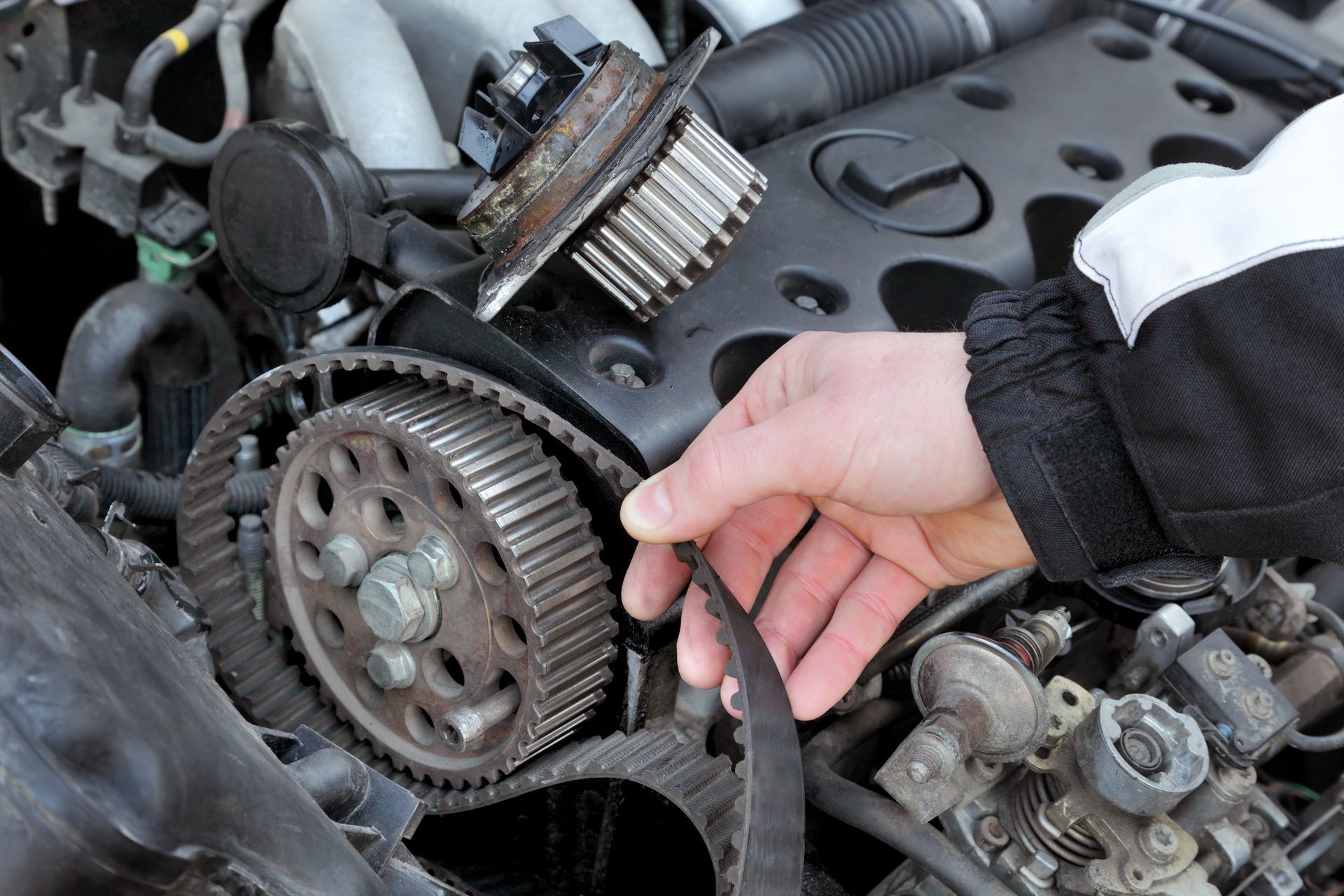
After recovery, the vehicle sometimes needs a mechanical inspection before returning to the road. Sand or water exposure can affect brakes, bearings, and electrical connections. Collision damage to steering and suspension isn't always obvious even after the vehicle rolls freely again. The next step is identifying those issues, not assuming recovery itself makes the vehicle roadworthy.
Our facility also provides routine vehicle maintenance and general auto repair service. If you choose our shop, recovery and repair inspection will fit into one visit. A clear record of how the vehicle was recovered helps the follow-up inspection cover damaged components, possible fluid leaks, and contact points.
Get Wrecker and Vehicle Recovery Service in Destin, FL, With Destin Auto Center
Destin Auto Center serves Destin, Sandestin, Santa Rosa Beach, Miramar Beach, and nearby areas with towing and recovery equipment for vehicles ranging from motorcycles to motor homes. We'll help determine the transport or recovery approach needed for your situation.
Call
Destin Auto Center to request towing or recovery service today.