An extended repair warranty can sound reassuring when you’re buying a used vehicle or trying to avoid a large repair bill later. The sales pitch usually focuses on what is covered. The part that causes trouble months later is often buried in the exclusions, limits, and approval rules.
Before signing, read the contract as if you already had a repair waiting. Ask yourself what would happen if the transmission started slipping, the A/C compressor failed, or an oil leak damaged another part. The answer is not always as simple as covered or not covered.
1. Wear Items Are Usually Treated Differently
Many extended service contracts exclude parts expected to wear out through normal use. Common examples include brake pads, rotors, clutch discs, belts, hoses, wiper blades, tires, and similar items. Some contracts also exclude parts that sit between obvious maintenance items and major mechanical components.
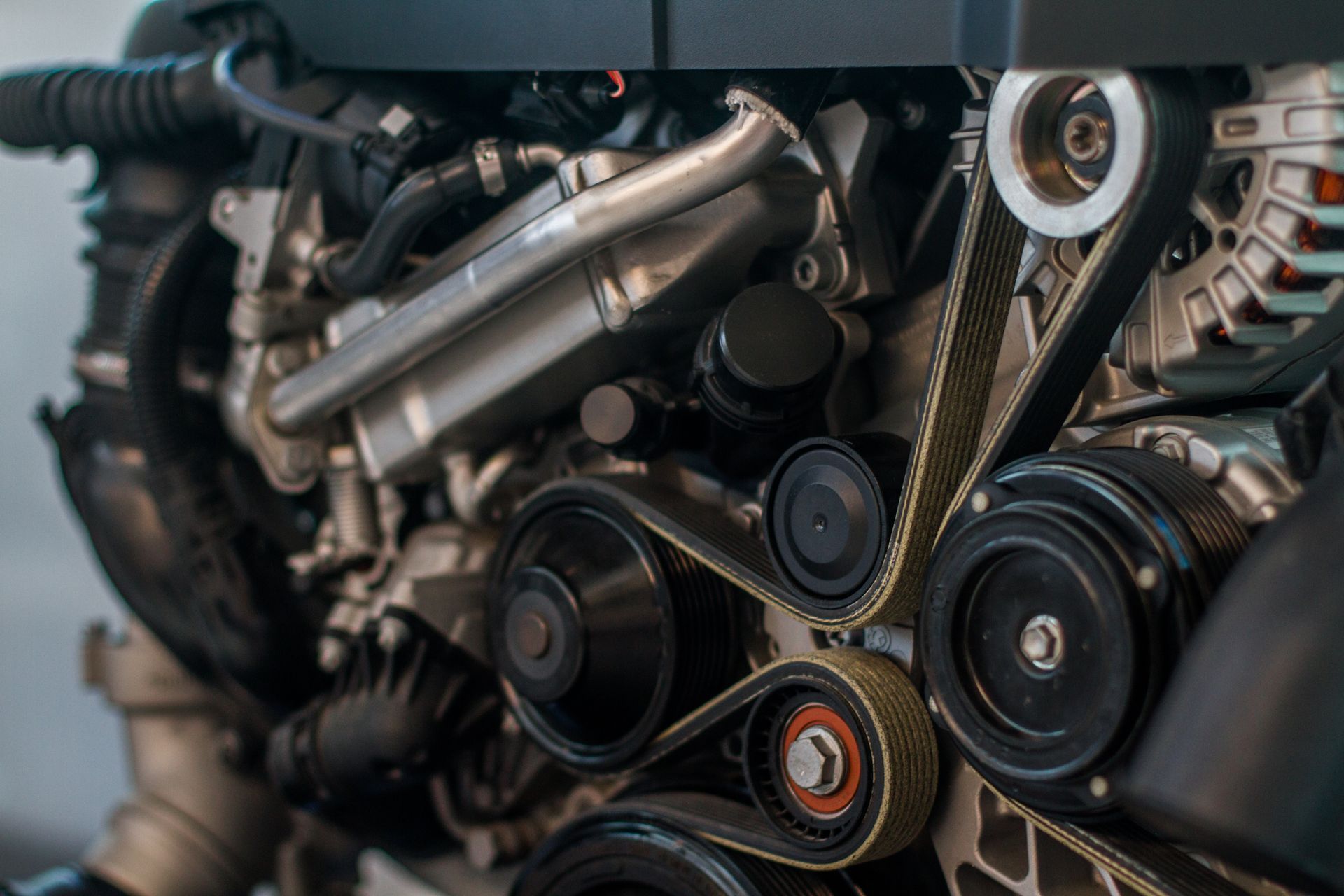
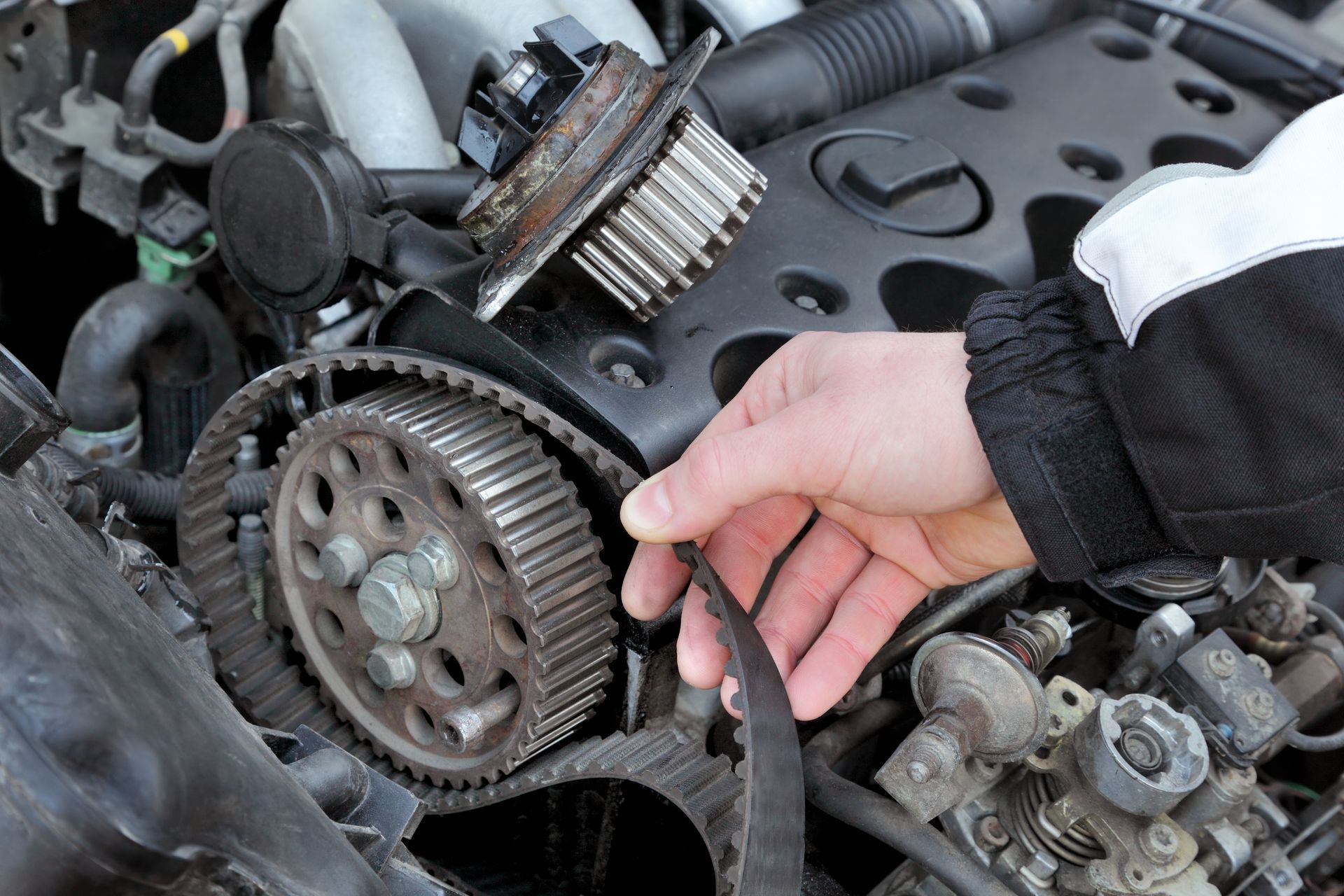
That distinction can become frustrating when one worn part damages another. For example, a failed tensioner might damage a belt or nearby component. You need to know whether the contract covers the failed part, the resulting damage, both, or neither. Read the actual component list instead of assuming anything attached to a covered system is automatically included.
2. Maintenance Records Can Decide Whether a Claim Is Approved
Many contracts require proof that the vehicle received regular maintenance according to the manufacturer’s schedule. If the engine develops internal damage and there are no oil change records, the warranty company may question whether neglect contributed to the failure.
Keep invoices that show dates, mileage, and the services performed. Receipts for oil and filters may be useful if you maintain the vehicle yourself, but the contract may have specific documentation requirements. Read that section before you need it. Reconstructing two years of missing service history after an engine failure is much harder than keeping the paperwork from the beginning.
3. Pre-Existing Problems May Be Excluded
An extended repair warranty normally is not intended to pay for a problem that was already developing before coverage started. The difficult part is deciding when a problem actually began.
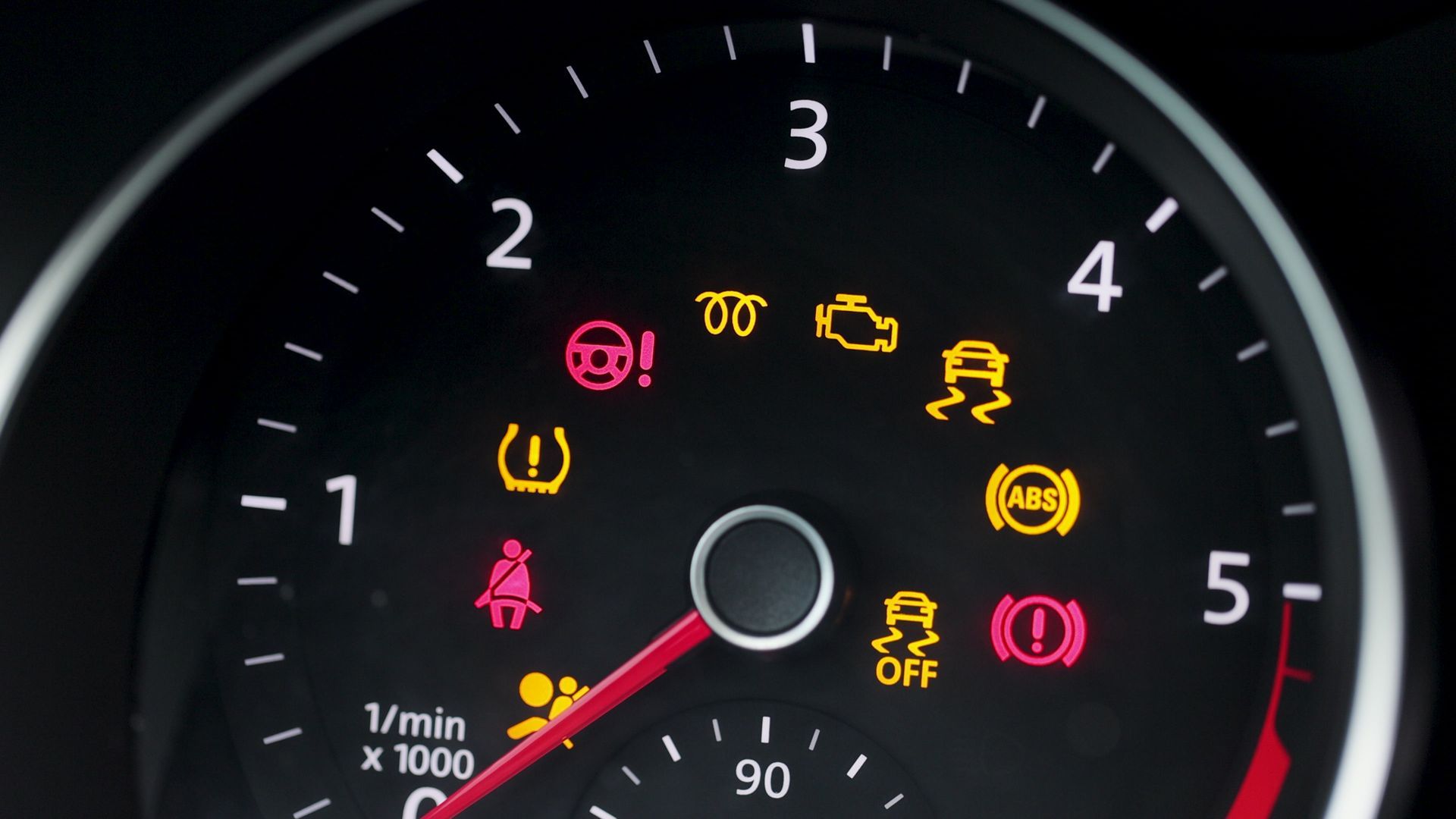
Suppose you buy a vehicle with a faint transmission shudder and the transmission fails three months later. The administrator could argue that the condition existed before the contract took effect. The same issue can come up with existing oil leaks, noisy wheel bearings, warning lights, or an A/C system that was already weak. A pre-purchase inspection can help document the vehicle’s condition before coverage begins.
4. Diagnostic and Teardown Charges Need a Closer Look
Finding the failed component sometimes requires several hours of testing or partial disassembly. Some contracts cover reasonable diagnostic labor when the final repair is approved. Others limit diagnostic charges or leave them to the vehicle owner.
Teardown can be even more important with engines and transmissions. A warranty administrator may require the shop to disassemble part of the unit before deciding whether the failure qualifies for coverage. Ask who pays that labor if the claim is denied. You do not want to learn the answer after the transmission is already apart.
5. Labor Rates and Parts Prices Can Have Limits
A contract may approve a repair without paying the entire amount charged by the repair facility. Some plans cap the hourly labor rate, limit the number of labor hours, or calculate parts prices using their own system.
Parts can be another sticking point. The administrator may authorize an aftermarket, remanufactured, or used component instead of a new original-equipment part. That is not automatically a bad repair, but you should know what the contract allows. If you want a different part than the one authorized, you may have to pay the difference yourself.
6. Consequential Damage Can Change a Large Claim
Consequential damage means one failed component causes damage to another. This is where the wording can make a major financial difference.
Imagine a covered water pump fails and the engine overheats. Does the plan cover only the water pump, or does it also cover engine damage caused by the overheating? Now reverse it. What if an excluded hose fails and damages a component that would normally be covered? Contracts handle these situations differently, so look specifically for language about consequential or resulting damage.
7. Authorization Rules Can Affect Where and How the Car Is Repaired
Most extended warranty companies want authorization before major work begins. The repair shop may need to provide fault codes, test results, photographs, maintenance records, or an estimate before the administrator approves anything. Some companies send an inspector to look at the vehicle first.
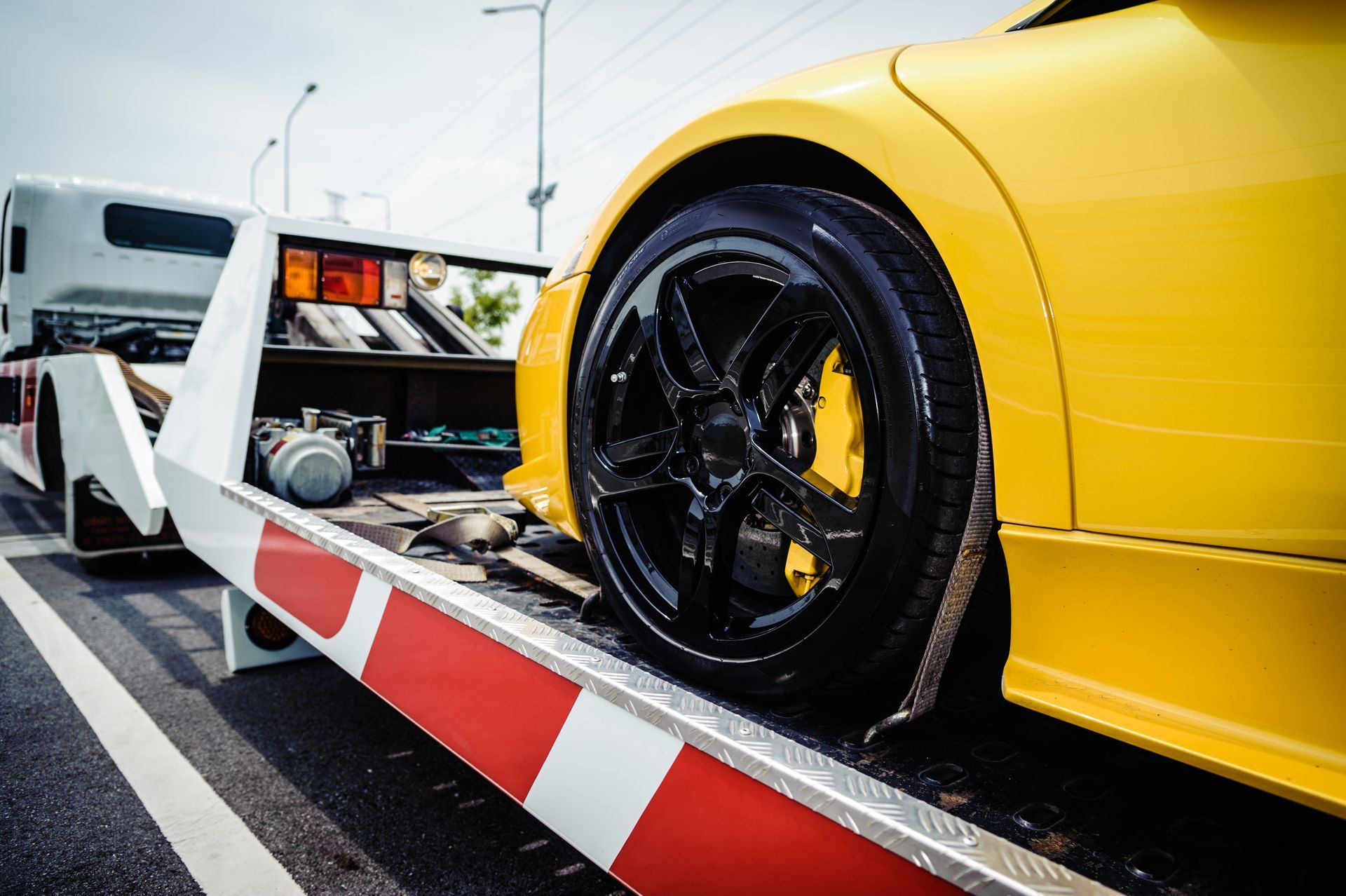
Starting repairs before approval can put the claim at risk, even when the failed part would normally be covered. Check whether you can use the repair shop of your choice, whether towing or rental reimbursement is included, what deductible applies, and whether there is a maximum payout per repair or over the life of the contract.
Get Auto Repair In Destin, FL, With Destin Auto Center
Destin Auto Center in Destin, FL, does not sell vehicle extended warranties, but most repairs performed at the shop are backed by a 24-month/24,000-mile warranty. If you already have a third-party service contract, bring the paperwork so we can review the coverage and authorization requirements before repair work begins.