Engines don’t wear out from one bad day. They wear out from small habits that add heat, friction, and contamination a little at a time, until the numbers stop adding up in your favor.
Most of the damage happens quietly.
Letting The Oil Level Drop Too Low
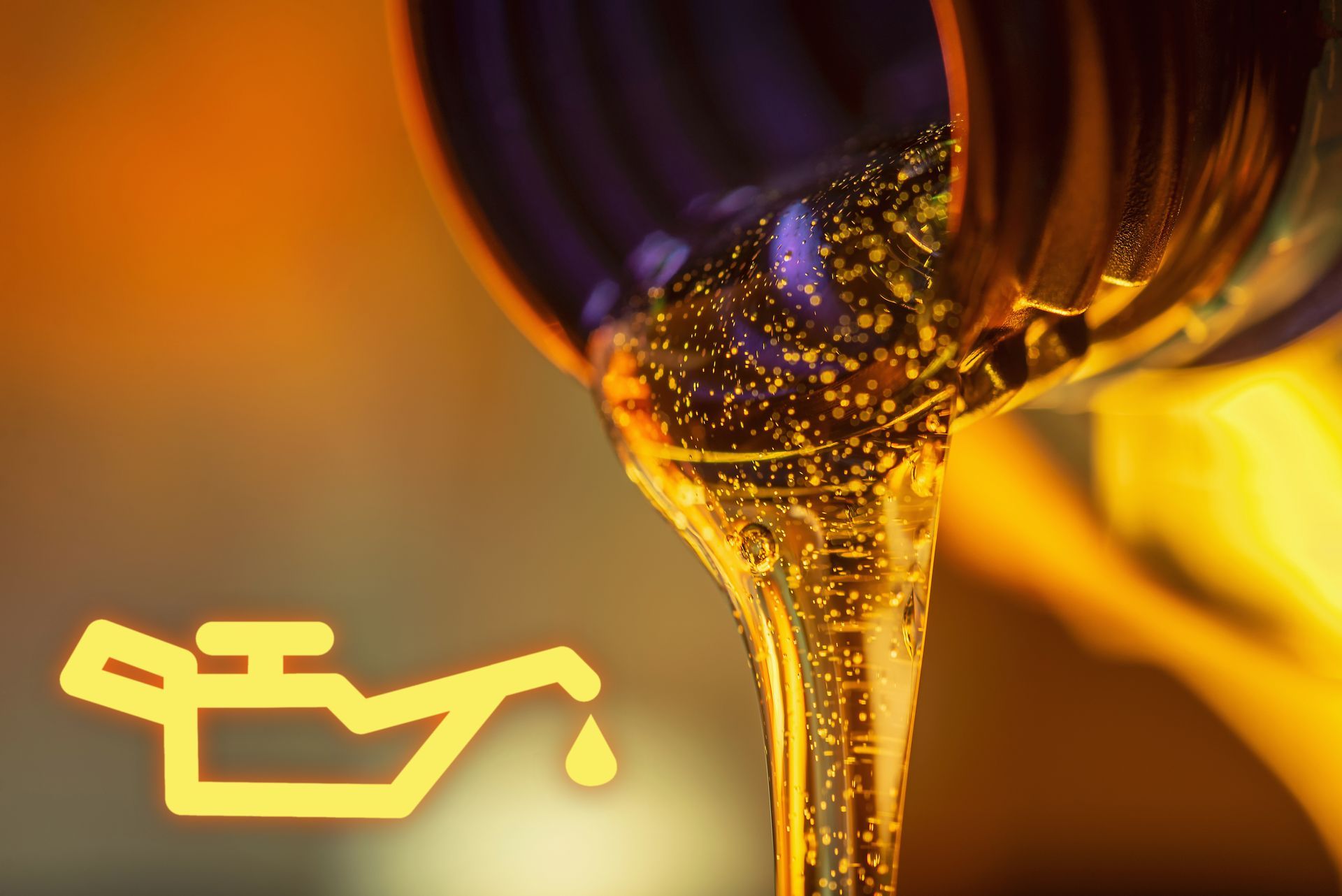
Oil is both a lubricant and a cooling support, and low oil means higher heat and higher wear at the same time. Some engines consume oil as they age, so going 4,000 to 5,000 miles without checking the dipstick is a gamble. If the oil light flickers or you hear ticking that wasn’t there before, stop treating it as background noise and check the level.
Ignoring Coolant Loss And Minor Overheating
Coolant does not disappear on its own, so a dropping reservoir level means a leak or a system problem. Overheating is not a gentle warning, it can warp components and damage sealing surfaces fast. Regular maintenance that includes coolant checks and hose condition prevents the slow drip that turns into a tow.
Hammering The Throttle Before The Engine Warms Up
Cold starts are the hardest minutes of an engine’s day because oil is thicker and clearances are tighter. Hard acceleration immediately after start-up loads bearings and timing components before everything is at operating temperature. Drive normally for the first few miles and the engine will reward you with fewer wear-related issues later.
Driving With A Misfire And Hoping It Clears Up
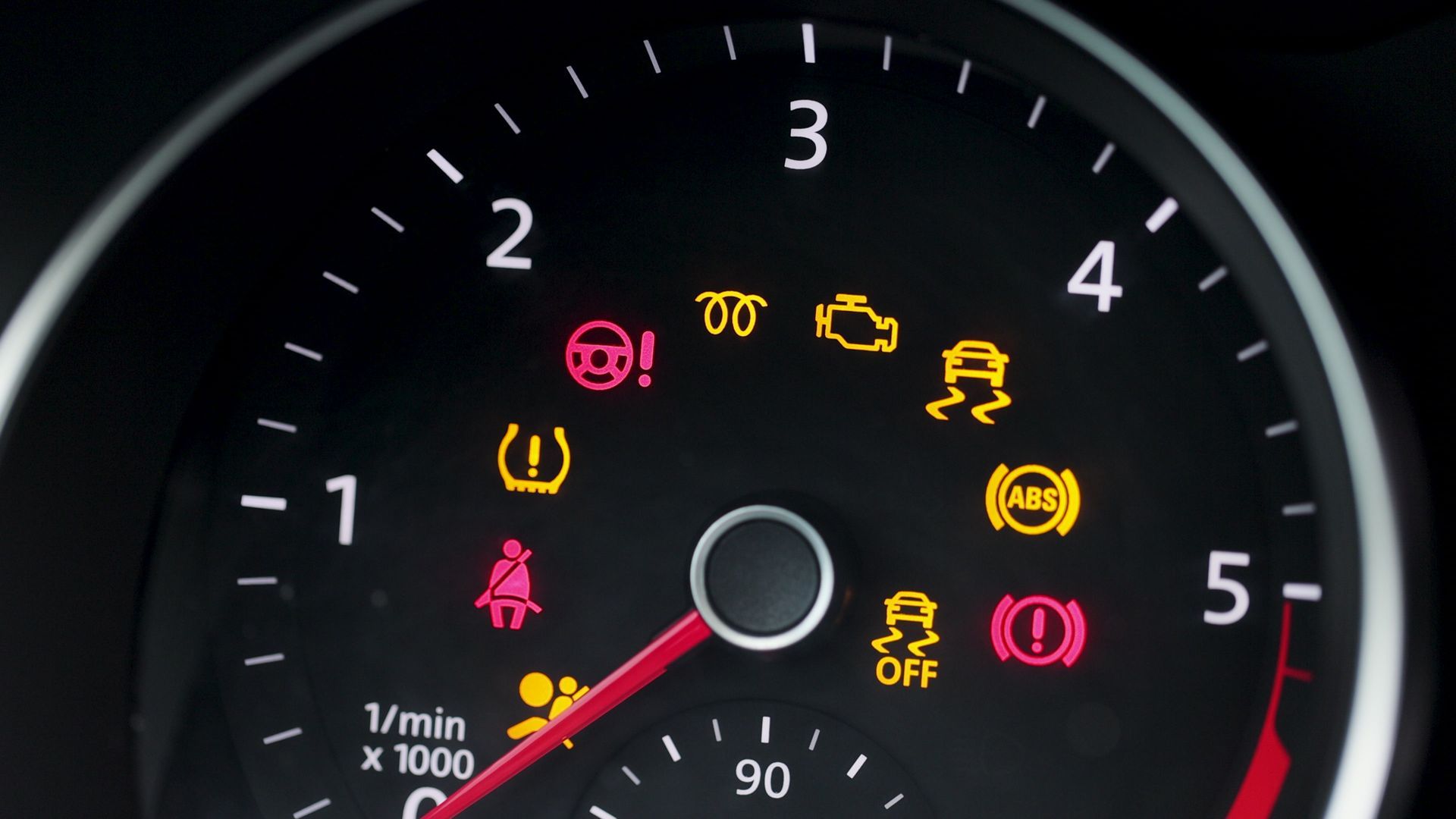
A misfire is unburned fuel and uneven power delivery, and it is hard on the catalytic converter and the engine itself. If the check engine light is flashing, continuing to drive is how a minor ignition problem becomes a much bigger bill. Even if it feels intermittent, schedule an inspection while the symptom is still easy to reproduce.
Treating The Air Filter Like A Long-Term Item
An air filter that’s packed with dirt restricts airflow, and restricted airflow changes fuel control and drivability. You might notice sluggish acceleration, rougher idle, or a drop in fuel economy that feels gradual. Replacing a dirty filter is simple, but letting it go too long can lead to additional deposits and increased strain on the intake side.
Running The Tank Near Empty All The Time
Fuel cools and lubricates the fuel pump, and a low tank level runs hotter and pulls more sediment from the bottom of the tank. That stress shortens pump life and can clog the filter or strain injectors. If the car hesitates more when the gauge is low, treat that as a pattern worth breaking.
Using The Wrong Oil Or The Wrong Viscosity
Modern engines are built around specific oil specs for a reason, including viscosity and additive packages. The wrong oil can increase wear during cold starts, reduce protection under heat, or create issues with timing components and variable valve systems. Follow the spec on the cap or owner’s manual, not the bargain shelf.
Ignoring Small Exhaust Or Intake Leaks
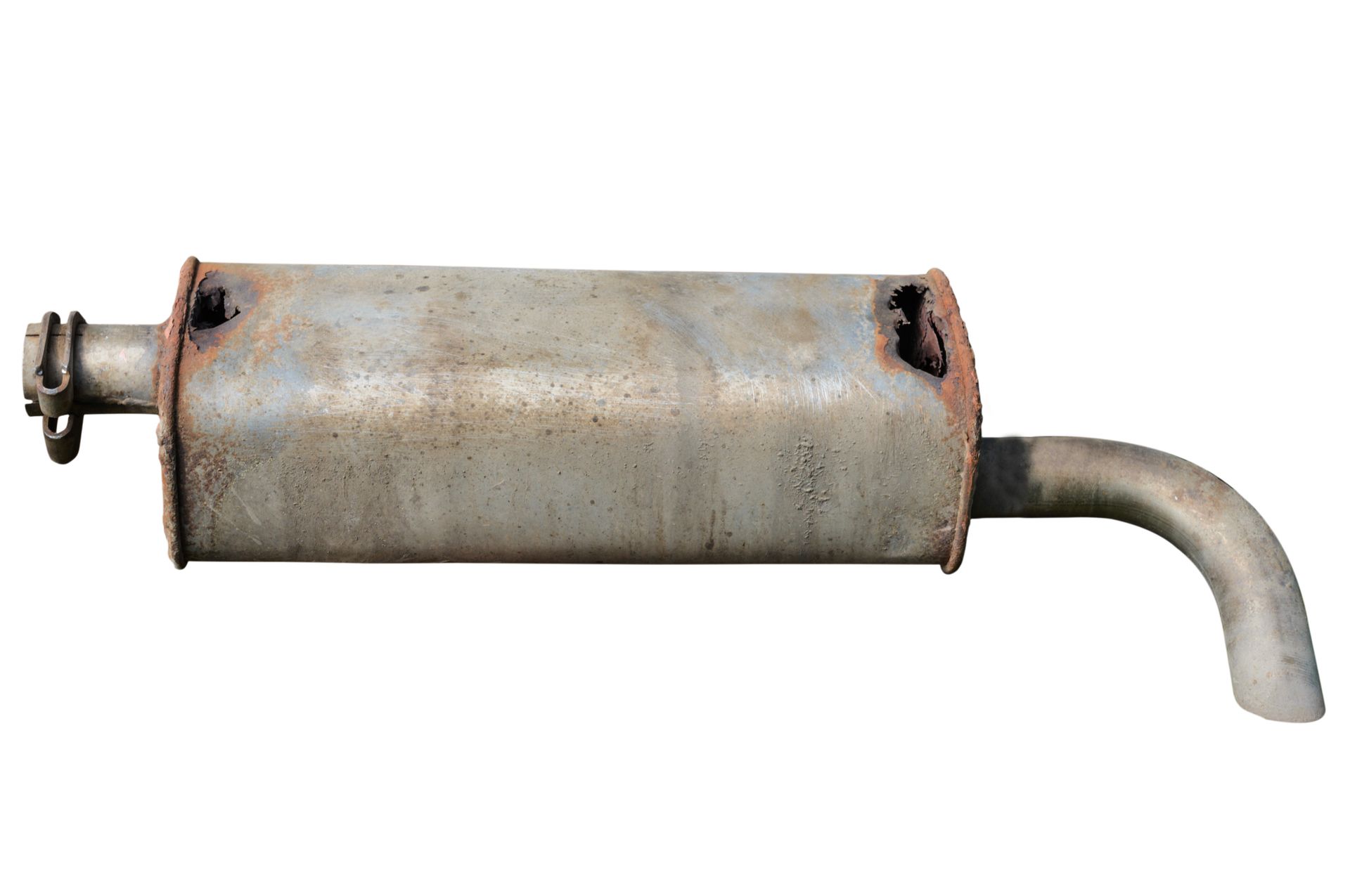
An exhaust leak before the oxygen sensor can skew readings and make the engine overcorrect the fuel mixture. An intake leak lets unmetered air in, which can create lean conditions, rough idle, and hesitation. These leaks tend to grow over time, so catching them early keeps the engine from spending months compensating.
Letting Sludge And Deposits Build From Short-Trip Driving
Short trips rarely get oil hot enough for long enough, which promotes moisture buildup and deposit formation. If the car is used mostly for quick errands, the engine doesn’t get the steady heat cycle it was designed for. Mixing longer drives with regular service intervals keeps the engine's interior cleaner and more stable.
Get Engine Protection In Destin, FL With Destin Auto Center
If you want to reduce wear and avoid the engine problems that build up slowly, schedule an engine health check with Destin Auto Center in Destin, FL, and we’ll help you prioritize the habits and services that make the biggest difference.
You’ll leave with a clear plan that fits how you actually drive.