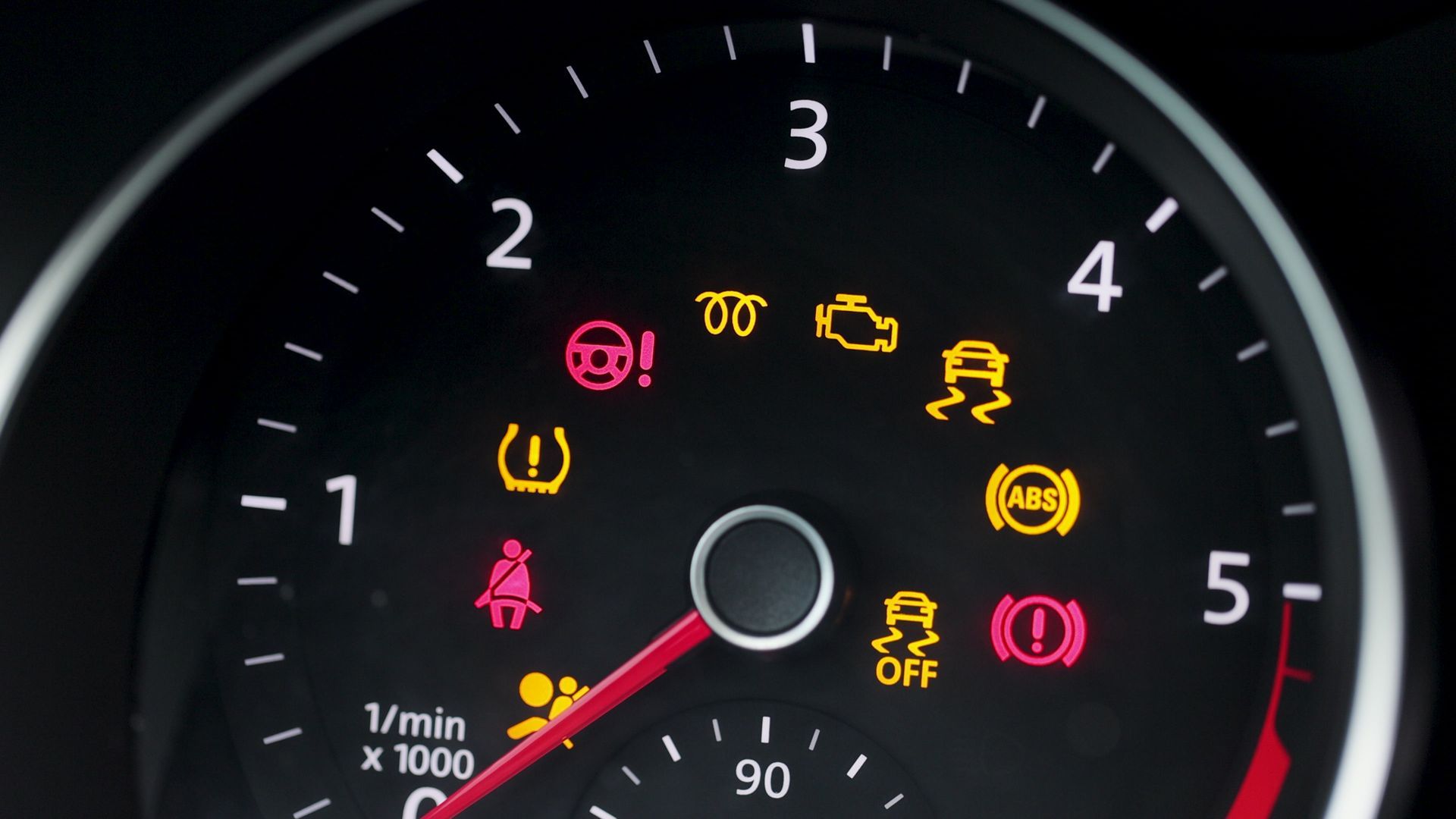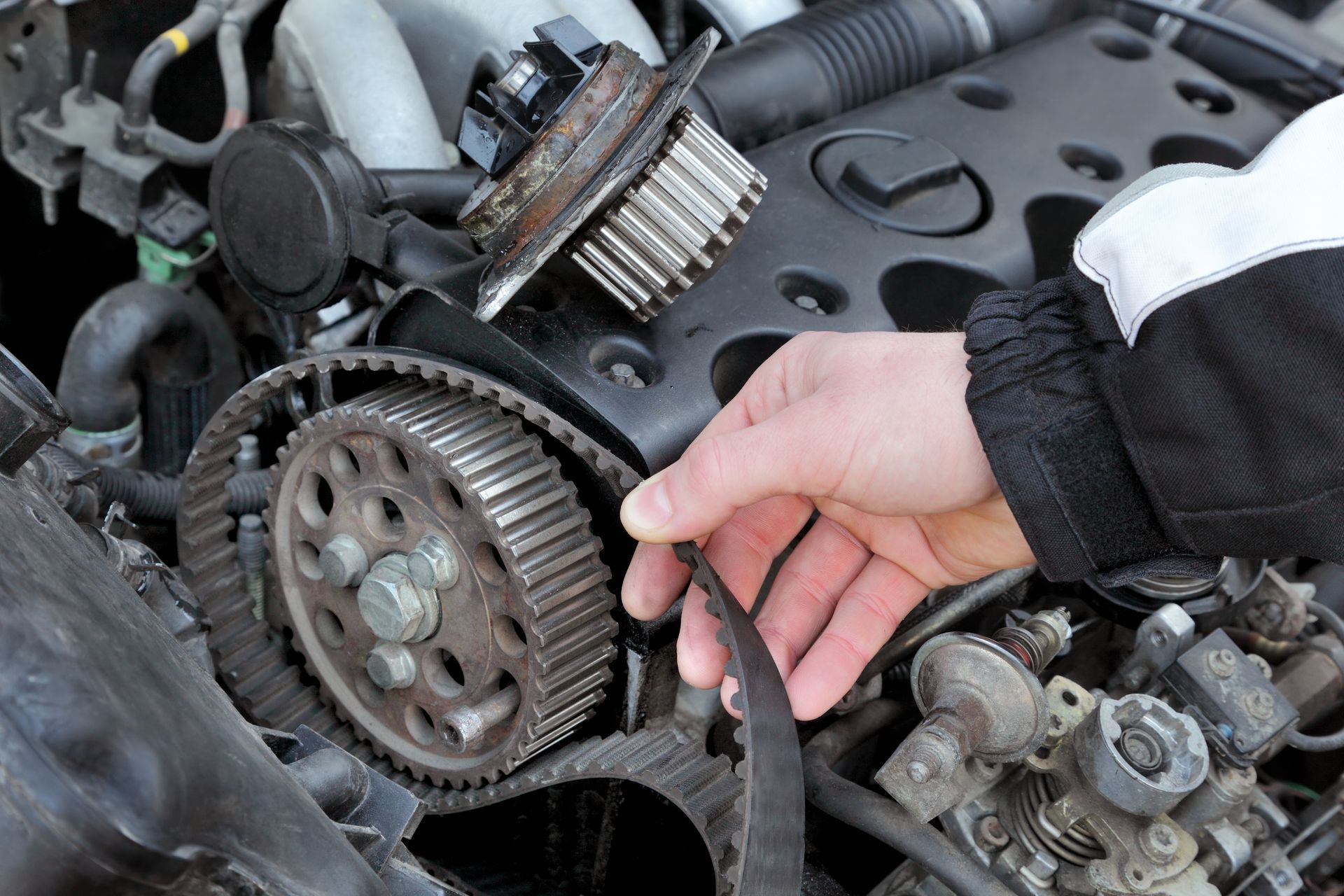
Oil pressure problems can begin quietly. A warning light may flicker only after the engine warms up, valvetrain noise may appear at idle, or a pressure gauge may suddenly read lower than it used to. Because those symptoms can come and go, it is easy to focus on the warning itself without knowing what is happening inside the lubrication system.
The oil pump keeps engine oil moving through passages that feed bearings, camshafts, valvetrain components, and other moving parts. But the pump is only one piece of that system. Oil condition, bearing clearances, the pickup tube, pressure-control components, and even the pressure sensor can change what the driver sees on the dashboard.
What the Oil Pump Actually Does
The oil pump draws oil from the oil pan and sends it through the engine's lubrication passages. The pressure that develops depends on oil flow, engine speed, oil viscosity, internal clearances, and the design of the lubrication system. Engine clearances can also influence the pressure a pump can maintain.
Oil pressure is especially important because moving engine parts rely on a film of oil to prevent direct metal-to-metal contact. If pressure drops far enough, lubrication can become inadequate and internal wear can accelerate quickly.
A Flickering Oil Pressure Warning Deserves Attention
One of the first things a driver may notice is an oil pressure warning that flickers at hot idle and disappears when engine speed increases. That pattern can indicate that pressure is near the lower limit when the pump is turning slowly.
It does not prove that the pump itself is worn. Motorservice notes that a low-pressure indication can result from oil loss, a defective oil pump, or other faults, while a faulty pressure sensor can also provide misleading information.
If the warning stays on while the engine is running, continuing to drive can risk severe engine damage.
Engine Noise Can Appear When Lubrication Drops
Low oil pressure can sometimes show up as mechanical noise because components no longer receive the oil supply they need.
Depending on engine design, drivers may hear ticking or clattering from the valvetrain, knocking from deeper inside the engine, or increased noise shortly after startup. Lack of lubrication is known to damage components such as camshafts and bearings when proper oil supply is not maintained.
Treat noise as a warning sign, especially if it appears with an oil pressure light or an unusually low gauge reading.
Low Oil Level Can Mimic a Pump Problem
Before condemning an oil pump, technicians check whether the engine has enough oil. A low oil level can allow the pickup to draw air, particularly during turns, braking, or acceleration.
Oil loss can also be part of a broader lubrication-system pressure problem. Motorservice specifically identifies oil loss as one condition that can trigger a low oil pressure warning.
If the level is low, the source of the loss still needs to be found. External leaks, oil consumption, or improper service can leave the lubrication system short of what it needs.
The Oil Pickup Can Restrict Flow
Oil reaches the pump through a pickup tube and screen in the oil pan. Sludge, debris, damaged seals, or other restrictions can reduce the amount of oil available to the pump.
A pump cannot maintain normal output if its supply is restricted. Problems elsewhere in the lubrication path can also release pressure before oil reaches critical parts. Motorservice documents an example where a damaged oil-filter-housing component allowed pressurized oil to drain back into the oil pan, producing a loss of engine oil pressure even though the pump was still supplying oil.
That is why low pressure has to be traced through the system instead of automatically leading to pump replacement.
Worn Engine Bearings Can Lower Oil Pressure
Oil pressure depends partly on the controlled clearances between internal engine parts. As crankshaft bearings and other components wear, those clearances can increase and allow oil to escape more rapidly.
The pump may still be operating, but it can struggle to maintain the expected pressure, particularly when the oil is hot and thinner. Melling notes that engine clearances can affect oil pump pressure, which is an important distinction when testing a high-mileage engine.
Installing a new pump in an engine with excessive internal clearances may therefore fail to correct the underlying problem.
A Bad Oil Pressure Sensor Can Give a False Warning
Modern engines use an oil pressure switch or sensor to report lubrication-system pressure to the instrument cluster or engine computer. A failing sensor or electrical connection can produce a warning even when mechanical pressure is acceptable.
Possible clues include:
- Oil warning flickers unpredictably
- Gauge reading changes suddenly
- Warning appears despite correct oil level
- Engine has no accompanying mechanical noise
- Pressure reading does not respond normally to engine speed
- A related fault code is stored
These clues help direct testing, but technicians still need to verify actual oil pressure before assuming the sensor is responsible.
Mechanical Pressure Testing Is an Important Check
When oil pressure is in question, technicians can connect a mechanical pressure gauge to the engine and compare the reading with the manufacturer's specification.
Pressure is typically evaluated under defined operating conditions, including engine temperature and RPM. A proper test helps separate a real lubrication problem from an incorrect dashboard reading.
If pressure is genuinely low, the next steps may include checking oil viscosity and condition, the filter, pickup system, pressure-relief components, pump condition, and internal engine clearances.
Oil Pump Wear Is Only One Possible Cause
Oil pumps can wear internally, develop excessive clearances, suffer damage from debris, or have problems with their pressure-regulating components. When that happens, the pump may no longer deliver the expected flow and pressure.
However, replacing the pump based solely on a warning light can miss another problem. Low oil level, worn bearings, restrictions, damaged filter-housing components, incorrect oil, or sensor faults can all create similar symptoms.
Regular Maintenance Can Help Protect the Lubrication System
Using the correct oil and filter and following regular maintenance intervals helps reduce sludge and contamination that can interfere with oil circulation. MAHLE notes that debris left inside an engine can move into other components and contribute to further problems, while adequate lubrication is critical to preventing valvetrain damage.
Get Engine Oil Pressure Testing in Destin, FL, With Destin Auto Center
Destin Auto Center in Destin, FL, can perform diagnostic testing when your oil pressure warning appears, the gauge reads unusually low, or the engine develops lubrication-related noise. We can check actual oil pressure and evaluate the pump, sensor, oil supply, and related engine components to identify the cause.