When you’re stuck on the roadside, time feels weird. Five minutes can feel like forever, especially if it’s hot out, traffic is flying past, or you’re trying to figure out whether the car is safe to drive.
Arrival time is not some set timeframe. The same company can show up fast one day and take longer the next, depending on what’s happening on the roads and what kind of help you actually need. Here’s what usually affects response times and how to set expectations without getting blindsided.
Why Arrival Times Can Feel Unpredictable
Tow trucks and roadside service crews are basically mobile problem-solvers, and their workload changes hour by hour. A slow Tuesday afternoon looks nothing like a busy weekend evening. Weather, traffic, and the number of active calls in the area all affect how quickly the next available truck can reach you.
The other big factor is equipment. A jump start and a heavy-duty tow are not the same kind of call, and sending the wrong truck wastes everyone’s time. We keep multiple trucks on call 24/7, but the right truck still has to be available at that moment.
Typical Response Windows Drivers Often See
In many situations, roadside assistance can arrive within a short window, especially if you’re near a main road and the call is straightforward. In busier stretches, the wait can extend, even when a team is moving as quickly as possible.
What tends to influence the timeline most is call volume and distance. If several drivers need help at once, like after a storm or during peak traffic, response times lengthen. If you’re farther out or in a spot that’s tricky to access, travel time adds up.
A helpful way to think about it is this: response time is the combination of dispatch time, drive time, and the time needed to bring the correct equipment.
The Biggest Factors That Slow A Tow Or Roadside Call
A few real-world variables tend to cause delays more than anything else:
- Heavy traffic, lane closures, or a major incident that ties up multiple trucks
- The weather that makes driving and loading vehicles slower and less safe
- High call volume, especially during tourist season, storms, or holiday weekends
- Distance from the nearest available truck that matches your situation
- Access issues, like tight parking garages, soft sand, or a vehicle stuck off-road
None of these are fun to deal with when you’re waiting, but they explain why two calls that sound similar can have very different arrival times.
Roadside Help Vs. Towing
Roadside calls are often faster because the goal is quick on-site help. Common examples include fuel delivery, jump starts, lockouts, and tire changes. If the vehicle can be made drivable safely, you may be back on the road without a tow.
Towing calls can take longer, especially if the situation requires special handling. A motorcycle tow, an RV tow, or a vehicle that needs a flatbed can require a specific truck. Some recoveries also take more time because loading has to be done carefully to avoid damage.
We tow everything from motorcycles to motor homes, and that range is exactly why dispatch is not always instant. Matching the job to the right equipment matters.
How The Right Equipment Helps Prevent Delays
A big part of response time is choosing the correct truck on the first try. Different situations call for different tools, and having the right setup prevents a second trip.
Depending on the job, that may mean a flatbed, a wheel lift, a heavy-duty wrecker, an air-ride tow truck, or a Landoll-style option for certain transports. For longer hauls, the plan can change again because interstate transport has different timing and routing considerations than a quick local tow.
If you call for help and the dispatcher asks a few questions, it’s not to slow things down. It’s to send the right truck so you get moving sooner.
What To Do While You’re Waiting
The wait is when most people make decisions that either keep things safer or make the situation harder than it needs to be. A few small moves can help.
- If you can, pull to a safer spot, like a wide shoulder or a well-lit parking lot.
- Turn on hazard lights, and keep your seatbelt on if you’re near fast traffic.
- If the vehicle feels unsafe, stay out of the roadway and away from the flow of cars.
- Avoid crawling under the vehicle on the shoulder, even if you see something hanging down.
- Keep your phone charged if possible, and stay alert for the truck’s arrival.
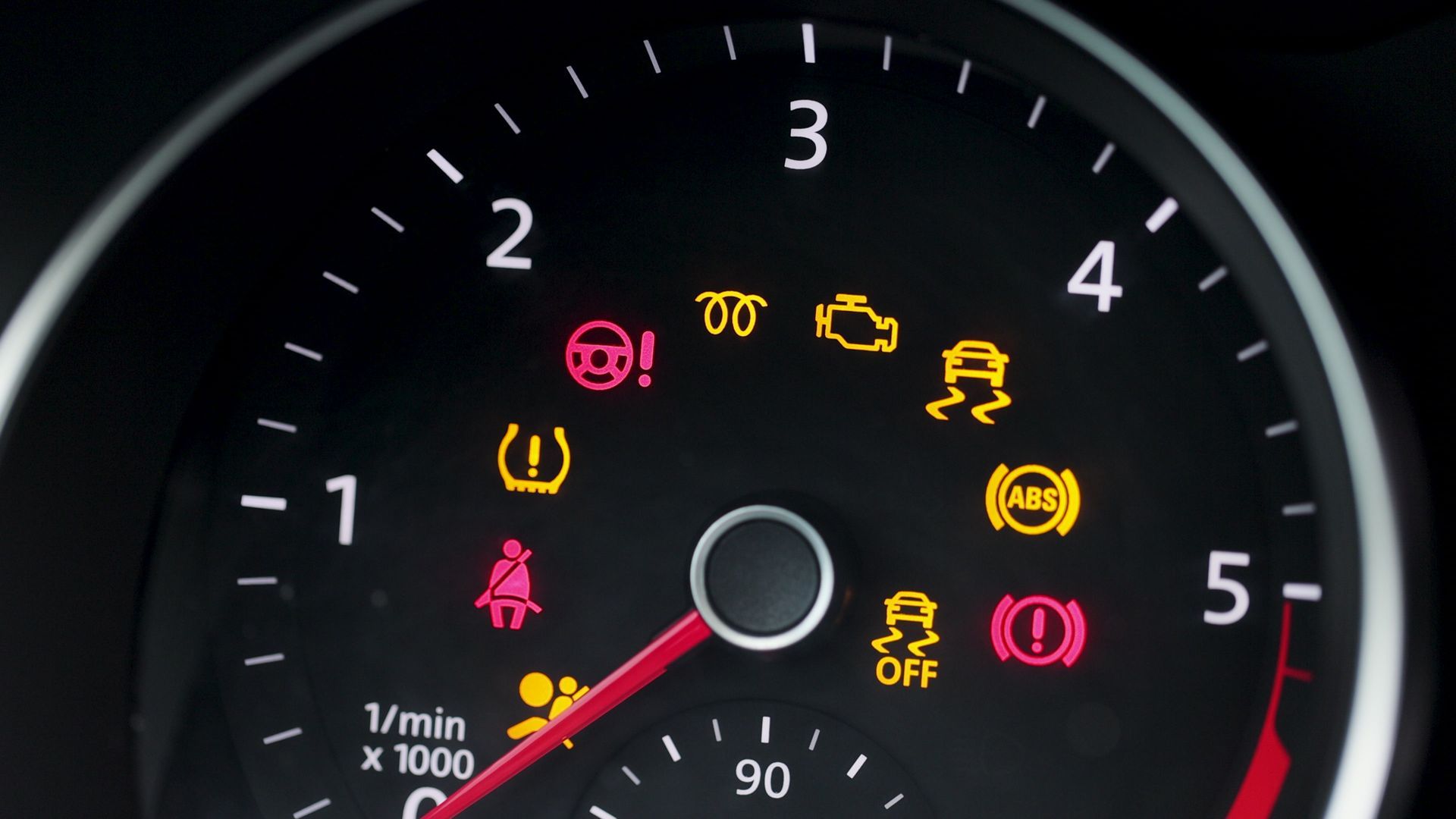
If you’re dealing with a flat tire, dead battery, or lockout, roadside assistance may solve it on-site. If the car has overheated, a severe leak, or dashboard warning lights indicating a real drivability risk, towing is often the smarter choice.
Get Towing And Roadside Assistance in Destin, FL, with Destin Auto Center
We can dispatch 24/7 towing and roadside help, whether you need a jump start, a tire change, fuel delivery, or a safe tow to the shop. We’ll send the right equipment for the situation, including flatbeds and heavy-duty options, so your vehicle is handled properly from the start.
Call Destin Auto Center in Destin, FL, to get help on the way and get your vehicle back to a safe, dependable plan.