Wranglers have a way of making strange noises feel normal. A little tire hum, some wind noise, a rattle from the back, maybe a clunk after a rough trail. It is part of the charm, right up until the sound changes.
That is when Jeep owners need to pay attention.
A Wrangler is built for more than grocery runs, but off-road use, bigger tires, beach driving, lift kits, and daily commuting can all wear parts in different ways. These warning signs are worth catching before the repair gets bigger than it needs to be.
1. Clunking From The Suspension Or Steering
A clunk over bumps, during turns, or when shifting from reverse to drive can point to loose or worn parts underneath. Track bars, control arm bushings, ball joints, sway bar links, shocks, mounts, and steering components all take a beating on a Wrangler.
The sound might start small. One driveway entrance. One rough patch of road. Then it happens more often. We look at where the movement is coming from because a clunk can travel through the frame, making the source hard to pinpoint by ear alone.
2. Wandering Or Loose Steering
Wrangler steering should feel predictable. If the Jeep wanders, needs constant correction, or feels loose at highway speed, something deserves a closer look. Tire pressure, alignment, steering linkage, track bar wear, ball joints, or suspension geometry can all be involved.
Lift kits and larger tires can make these issues appear sooner if the supporting parts are not set up correctly. A Wrangler that feels nervous on the road is not something to just get used to.
3. Death Wobble Or Strong Front-End Shake
Jeep owners know this one by reputation. A violent front-end shake after hitting a bump is not normal, and it should not be ignored. Death wobble can involve worn track bar bushings, loose bolts, bad ball joints, steering stabilizer issues, tire balance, alignment, or worn suspension parts.
The steering stabilizer can hide the symptom for a while, but it is rarely the whole cause. The real problem is usually movement somewhere in the front end. Our technicians check the steering and suspension as a system, not one part at a time.
4. Grinding, Clicking, Or Popping In 4WD
A Wrangler’s 4WD system should engage cleanly and work without strange noises. Grinding, clicking, popping, or binding can point to axle joints, driveshaft joints, transfer case problems, differential wear, or low fluid.
If the noise happens only in 4WD, that detail helps. If it happens during turns, the front axle or U-joints may move higher on the list. If the Jeep binds on dry pavement in part-time 4WD, the system may be used in the wrong condition. Either way, the sound is useful information.
5. Fluid Leaks Under The Jeep
Wranglers can leak from several places: engine oil, transmission fluid, transfer case fluid, differential fluid, coolant, brake fluid, or power steering fluid on equipped models. A few drops after a trail use or a beach day can still mean something.
Differential and transfer case leaks are especially important for Jeep owners who use 4WD. Low fluid in those parts can create heat and wear fast. If you see wetness around axle seals, diff covers, driveshaft areas, or the transfer case, do not keep topping off fluids without finding the source.
6. Overheating Or Coolant Smell
A hot Wrangler needs attention quickly. Sand, mud, road debris, old coolant, weak fans, leaking hoses, radiator problems, water pump issues, or a sticking thermostat can all hurt cooling performance. A sweet smell after parking is one of the early clues.
Overheating can damage gaskets and metal surfaces if the engine is pushed too far. If the temperature gauge climbs, pull over safely and let the engine cool. Do not open the coolant cap while it is hot.
7. Brake Pulsation, Pulling, Or Grinding
Wranglers are not light, especially with larger tires, bumpers, racks, and gear added. That extra weight can work the brakes harder. If the pedal pulses, the Jeep pulls while braking, or you hear grinding, the brake system needs service.
Pads, rotors, calipers, hoses, and brake fluid all affect stopping feel. Regular maintenance helps catch worn pads, sticking calipers, and fluid concerns before the Jeep starts stopping unevenly. Grinding means the early warning stage is probably already gone.
8. Check Engine Light Or Rough Running
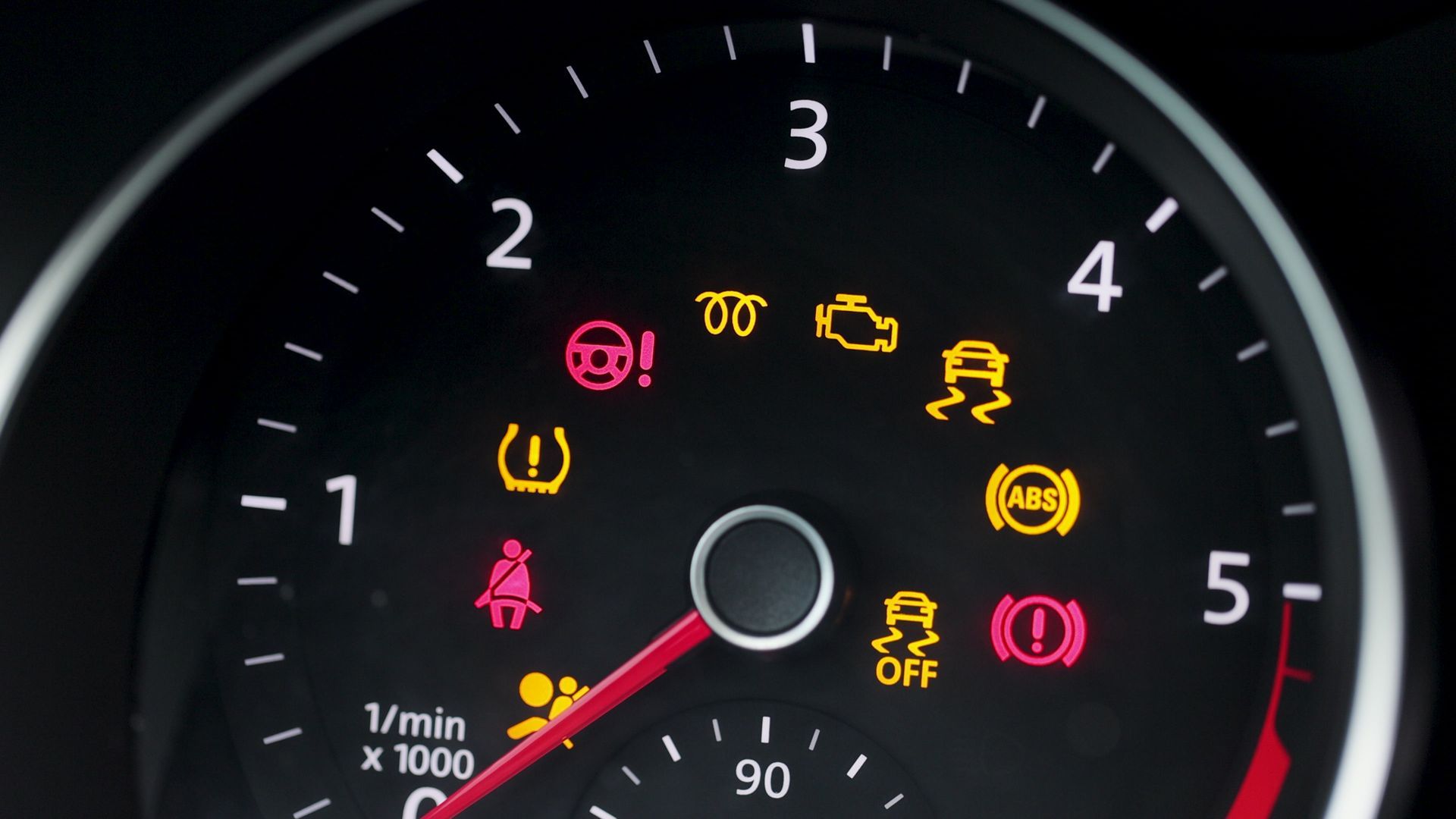
A check engine light on a Wrangler can be caused by misfires, EVAP leaks, oxygen sensor issues, catalytic converter concerns, fuel mixture problems, or sensor faults. A rough idle, hesitation, fuel smell, or flashing light makes the warning more urgent.
Do not clear the light and keep driving. The code and live data can help show what the Jeep was doing when the problem appeared. If the light is flashing, ease off the throttle and schedule service quickly because an active misfire can damage the catalytic converter.
Get Jeep Repair In Destin, FL, With Destin Auto Center
If your Wrangler has clunks, steering shake, 4WD noise, leaks, overheating, brake changes, or warning lights, Destin Auto Center in Destin, FL, can perform an inspection and find out what is really going on.