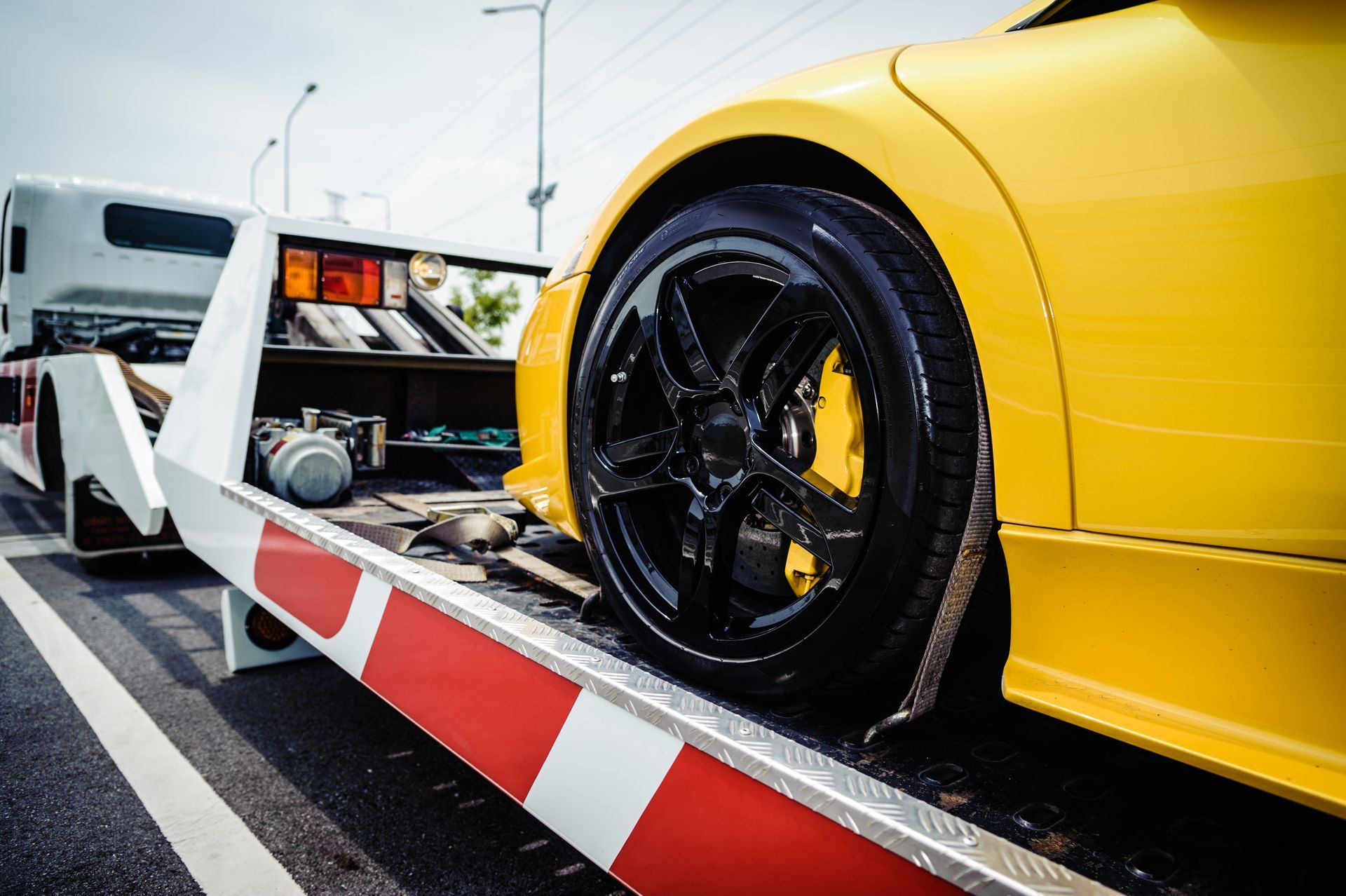
It is a common sight in our shop. A customer arrives behind a tow truck with a look of pure frustration on their face. Usually, the story is the same. They were driving along, heard a loud snap or saw a plume of steam, and within seconds the engine died. When we get under the hood, we often find that a part costing less than a nice dinner was the culprit. It is one of the most painful conversations we have to have with a vehicle owner. explaining how a simple piece of rubber led to a repair bill that could easily cross the five thousand dollar mark.
In the world of automotive maintenance, belts and hoses are constantly overlooked. They are tucked away in the dark corners of the engine bay, quietly doing the heavy lifting. They manage the heat, keep the electrical system charging, and ensure your engine stays timed perfectly. Because they are affordable and hidden, they are often the most neglected components. But when these parts fail, they don't do it quietly. They tend to take the entire engine down with them.
The Timing Belt
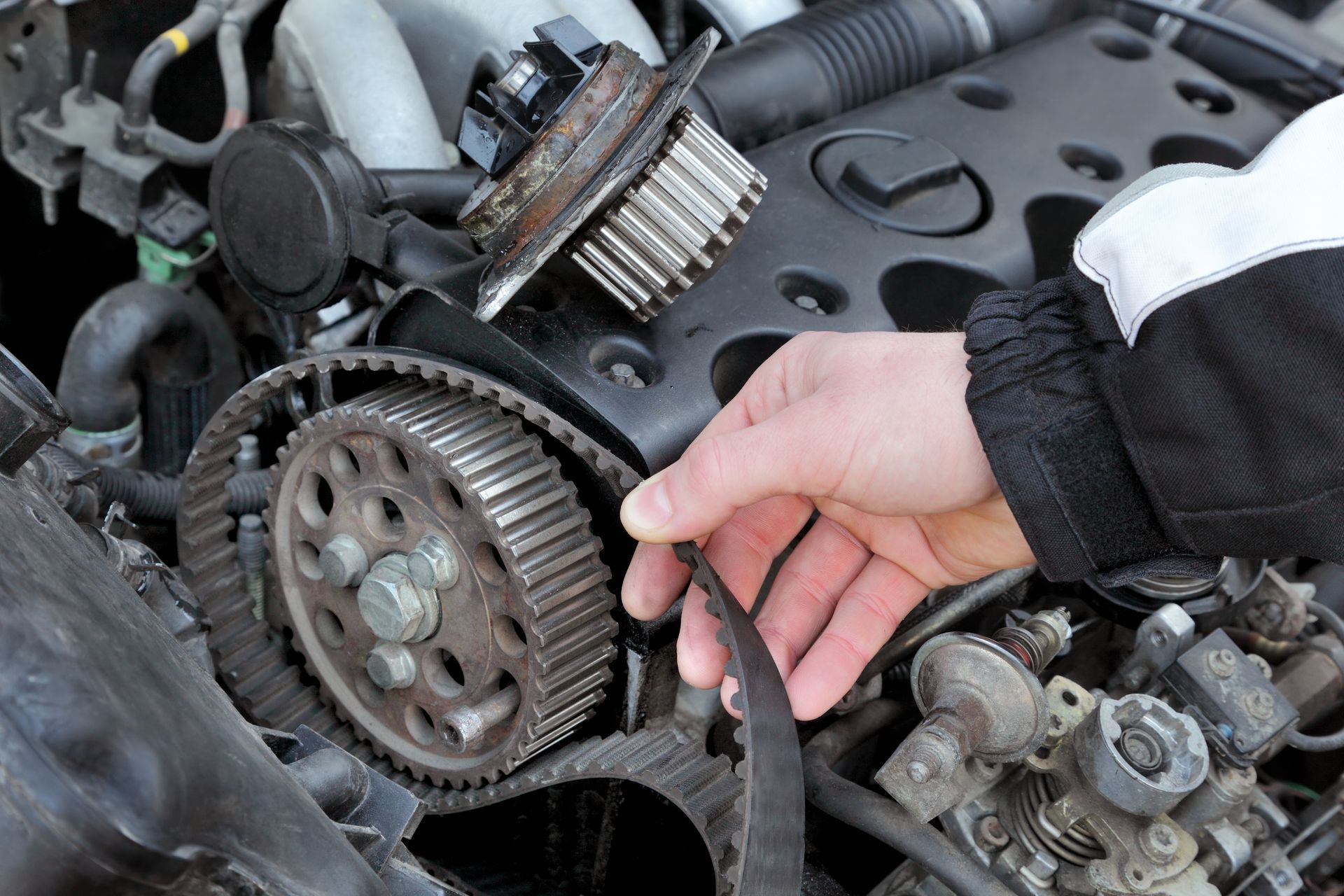
Perhaps the most dangerous part of your entire vehicle is the timing belt. This is a notched rubber belt that synchronizes the rotation of the crankshaft and the camshaft. In many modern engines, this is an interference design. This means that if the belt snaps, the valves and the pistons will occupy the same space at the same time.
When a timing belt fails at highway speeds, the metal pistons will smash into the open valves like a hammer hitting a nail. This instantly bends valves, shatters pistons, and can even crack the engine block itself. You won't get a warning light for this. You won't hear a squeal. The belt simply gives way, and in a fraction of a second, your engine is essentially a giant paperweight. This is why following the manufacturer's replacement interval is the most important gamble you can win or lose.
The Serpentine Belt
While the timing belt lives inside the engine, the serpentine belt is the one you can usually see on the side. It powers your alternator, your power steering pump, and your water pump. If this belt snaps, you lose your ability to steer easily and your battery stops charging.
The real danger here is the water pump. If your water pump stops spinning because the belt breaks, your engine will overheat in a matter of minutes. Extreme heat causes the cylinder head to warp and the head gasket to fail. We have seen many cases where a thirty-dollar serpentine belt snap resulted in a warped head that required a total engine rebuild.
The Cooling Hoses
Your engine generates enough heat to melt itself into a puddle of aluminum and iron. The only thing preventing that is the constant flow of coolant through a series of rubber hoses. These hoses are constantly being baked by engine heat and pressurized by the cooling system. Over time, the rubber degrades from the inside out.
- Soft Spots and Bulges: As a hose wears out, the internal reinforcement layers break down. This creates a weak spot that can balloon under pressure. Eventually, that balloon pops, spraying hot coolant everywhere and leaving your engine without its primary cooling source.
- Corrosion at the Clamps: Sometimes the hose itself is fine, but the connection point has become brittle. A leak at a hose clamp can be slow and deceptive, slowly lowering your coolant levels until the engine hits a critical temperature.
- Hardening and Cracking: If a hose feels hard as a rock or makes a crunching sound when you squeeze it, it has lost its flexibility. One good hit from a pothole or a sudden surge in pressure can cause it to shatter like glass.
Why Visual Inspections Aren't Enough
Many people look at their engine and think that because they don't see a puddle on the ground, everything is fine. The problem is that rubber often looks great on the outside while it is rotting on the inside. At our shop, we use a more hands-on approach. We squeeze the hoses to feel for internal soft spots and use specialized mirrors and lights to check the underside of belts for tiny cracks or glazing.
We also pay close attention to mileage. Most belts and hoses have a predictable lifespan. If you are approaching sixty thousand or one hundred thousand miles on original rubber, you are entering the danger zone. Proactively replacing these parts is the ultimate form of automotive insurance. It is much better to spend a few hundred dollars on a scheduled afternoon than to spend five thousand dollars on a surprise engine replacement.
Let Us Give Your Belts and Hoses a Check
We want to help you avoid that dreaded tow truck ride. Our team is trained to spot the subtle signs of belt and hose fatigue that most people miss. When you bring your car into Destin Auto Center in Destin, FL, for an oil change or a routine checkup, we take the time to inspect these critical components because we know exactly what is at stake.
We will show you exactly what we see and help you stay ahead of the curve.